
Blocked drains aren’t just annoying—they’re a signal that your plumbing is throwing up a red flag. While it might be tempting to ignore that slow-draining sink or the odd gurgling sound coming from the pipes, these are often the early warnings of a bigger problem lurking within your plumbing system. And let’s face it, a plumbing problem never stays small for long.
Understanding the signs of a clogged drain can help you avoid expensive repairs and water damage in the future. Whether it’s a bad smell that refuses to go away or water that’s suddenly taking its sweet time to drain, these issues are your home’s way of asking for a little TLC.
In this guide, we’ll share the most common signs of blocked drains and what to do next.
1. Slow Draining Water
If your sink or shower seems to be draining slower than usual, it’s not just your pipes being lazy. Slow-draining water is often the first sign that a blockage is starting to form. What might be a minor inconvenience now could become a significant problem if left unchecked.
Why It Happens
Debris like hair, soap scum, food particles, and grease can build up in your pipes over time. This gunk gradually narrows the passage, making it harder for water to flow through. The more it builds up, the slower the drainage gets until it eventually stops altogether. Regular maintenance can help keep this from happening, but once the water starts to slow down, it’s time to take action.
What to Do
Before reaching for that store-bought drain cleaner, consider safer alternatives like a plunger or a mixture of baking soda and vinegar. If that doesn’t do the trick, it might be time to call in the experts to avoid damaging your pipes further.
2. Unpleasant Odours
A foul odour coming from your drains is more than just an annoyance—it is a warning sign. These odours typically indicate that something is decomposing in your pipes and that "something" is likely causing a blockage.
What’s Causing It?
When debris gets trapped in your pipes, it begins to break down and decompose. This process releases gases that create that telltale lousy smell. It’s not just food scraps that can cause this; even soap residue and hair can produce unpleasant odours as they degrade.
Why It Matters
Ignoring these smells can lead to more serious problems, like full-blown blockages or even leaks. Plus, who wants their home smelling like a sewer?
How to Handle It
First, try flushing the drain with hot water or a natural drain cleaner. If the smell persists, it’s best to get a professional to inspect the situation. Persistent odours can signal a more significant issue deeper in the plumbing system.
3. Gurgling Sounds
Hearing gurgling sounds when you drain water or flush the toilet? That’s your plumbing’s way of telling you there’s a blockage on the way.
The Science Behind It
These sounds occur because air is trapped in your pipes due to a blockage. As water flows past the obstruction, it displaces the air, which then bubbles up and creates that gurgling noise. It’s a sign that water isn’t moving through your pipes as smoothly as it should, which means something is in the way.
Why You Should Care
While the sound might seem harmless, it’s a clear indicator that a blockage is forming. If not addressed, it can cause water to back up into your sinks, tubs, or toilets.
Quick Fixes
A plunger might temporarily help dislodge the blockage, but persistent gurgling usually requires professional attention. The sooner you address it, the less likely you are to deal with a more serious issue.
4. Water Backing Up
If water starts backing up into your sink, bathtub, or toilet, it’s a surefire sign that you’ve got a significant blockage. This is more than just an inconvenience—it’s a situation that needs immediate attention.
Why It Happens
Water backing up occurs when a blockage is so severe that it prevents water from flowing through the pipes. This forces the water to find another way out, usually back up through the fixtures in your home.
The Risks
Backed-up water can cause significant damage to your home, including damage to floors, walls, and even the foundation. It’s also a health hazard, especially if the water is from the toilet.
Immediate Actions
Turn off the water supply to prevent further backup, and call a professional plumber immediately. This is not a DIY job—attempting to fix it yourself could make the situation worse.
5. Overflowing Toilets
An overflowing toilet is the stuff of nightmares, but it’s also a clear indication that there’s a severe blockage in your plumbing system. This is often caused by a blockage in the main sewer line, which means it’s affecting more than just your toilet.
Understanding the Issue
When the main sewer line is blocked, water has nowhere to go but back up through the lowest point in your plumbing system—usually the toilet. This can occur for several reasons, including tree roots infiltrating the sewer line or a buildup of waste and debris.
The Dangers
Overflowing toilets can cause extensive water damage and pose a serious health risk due to the potential for contamination.
What to Do
Stop flushing immediately and avoid using other fixtures until the issue is resolved. Call a plumber as soon as possible to clear the blockage and prevent further overflow.
What to Do Next
Recognising the signs of a blocked drain is only half the battle—knowing what to do next is just as important. Here’s a quick action plan to help you keep your plumbing in top shape:
DIY Solutions
For minor blockages, a plunger or a homemade drain cleaner can sometimes help. To naturally clear the blockage, try using a blend of baking soda and vinegar and flushing it with hot water.
When to Call a Professional
If the problem persists after trying DIY solutions, it’s time to call in the experts. Persistent issues like gurgling sounds, bad smells, or water backup indicate a more severe problem that requires professional intervention.
Preventative Measures
To avoid future blockages, be mindful of what you’re putting down your drains. Use drain screens to catch hair and food particles, and avoid pouring grease or coffee grounds down the sink. Regular maintenance, like flushing your drains with hot water, can also help keep things flowing smoothly.
Keeping Your Pipes (and Wallet) in Check
Blocked drains are a warning sign that shouldn’t be ignored. By paying attention to the signs and taking action early, you can avoid costly repairs and keep your plumbing in top condition.
Remember, when in doubt, it’s always better to consult with a professional. Distinct Plumbing is here to help with all your plumbing needs, ensuring that your home stays safe, dry, and free from the hassles of blocked drains. Don’t wait for a small issue to become a big problem—take action today and keep your plumbing running smoothly.
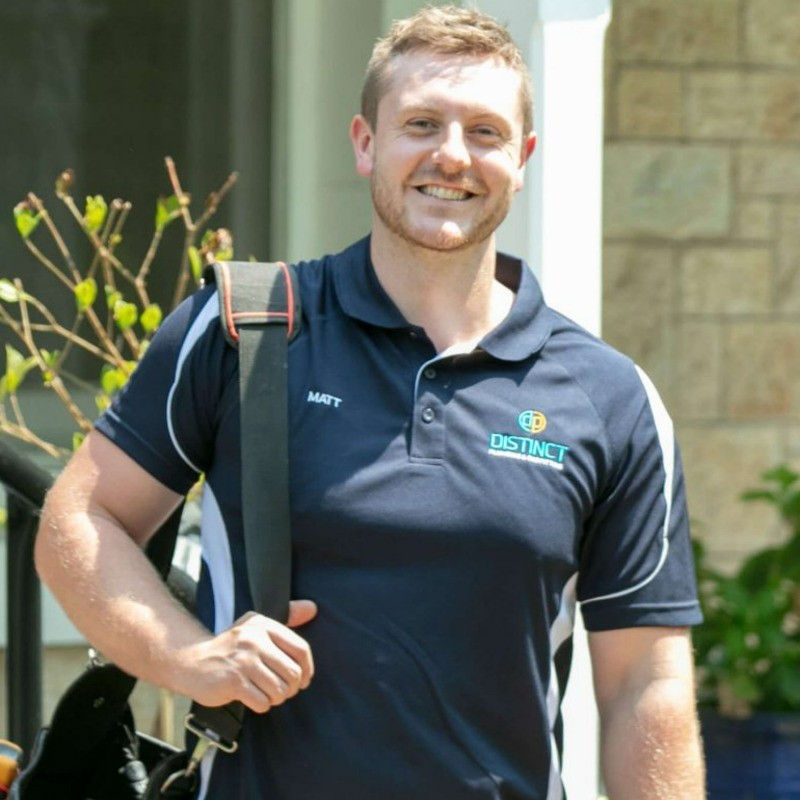
Matthew Johnson
Matthew Johnson is the Owner, Director, and Master Plumber at Distinct Plumbing & Gas Fitting, bringing over a decade of hands-on plumbing experience to residential and commercial clients across Adelaide. He founded the business seven years ago with a clear mission: to deliver reliable, high-quality plumbing solutions backed by integrity and exceptional service.
Specialising in residential and maintenance plumbing, Matthew and his team handle everything from emergency repairs and pipe installations to hot water system upgrades, blocked drains, and advanced drain relining. Known for his practical expertise and problem-solving approach, Matthew ensures every project is completed to the highest standard, right the first time.