
Hot Water Systems Adelaide
Hot water systems are essential appliances in residences and businesses, producing a steady supply of hot water for various needs such as cooking, bathing, and cleaning. These systems typically heat water through different methods, including gas, electricity, or solar energy. When needed, the heated water is stored in a tank or delivered directly through instantaneous systems.
Whether using a traditional storage unit or a modern, on-demand solution, a hot water system's efficiency is crucial for conserving energy and minimizing costs, understanding the operation and maintenance of these systems helps guarantee reliability and longevity, making hot water systems a vital component of daily comfort and convenience in Adelaide.
Choosing the Right Hot Water System For You
Several things must be factored in choosing the appropriate hot water system, including efficiency, cost, available energy sources, and space requirements. There are various hot water systems, each with distinct advantages suited to different needs.
Later in this document, we will explore the different types of hot water systems and their benefits. However, before that, let's examine some key considerations when choosing a hot water system.
- Energy Efficiency: To minimize costs and reduce environmental impact, it is crucial to select an energy-efficient hot water system. Consider systems with high Energy Star ratings or renewable energy sources like solar power.
- Size and Capacity: The size of your household or place of business will determine the capacity needed for your hot water system. A larger family or commercial establishment may require a bigger tank or instantaneous system to meet demand.
- Cost Effectiveness: Choosing a cost-effective option can help save money in the long run. While a more efficient equipment may have a higher upfront cost, it can significantly save energy bills.
- Available Energy Sources: Ensure that the hot water system you choose is compatible with the available energy sources in your area. For instance, an electric or solar-powered system may be better if gas is not readily available.
Once you have considered these factors and determined your needs, it is time to explore the different types of hot water systems and their benefits. At Distinct Plumbing, we give our customers the freedom to choose the right hot water system for their homes or businesses, providing expert advice and top-quality installations.

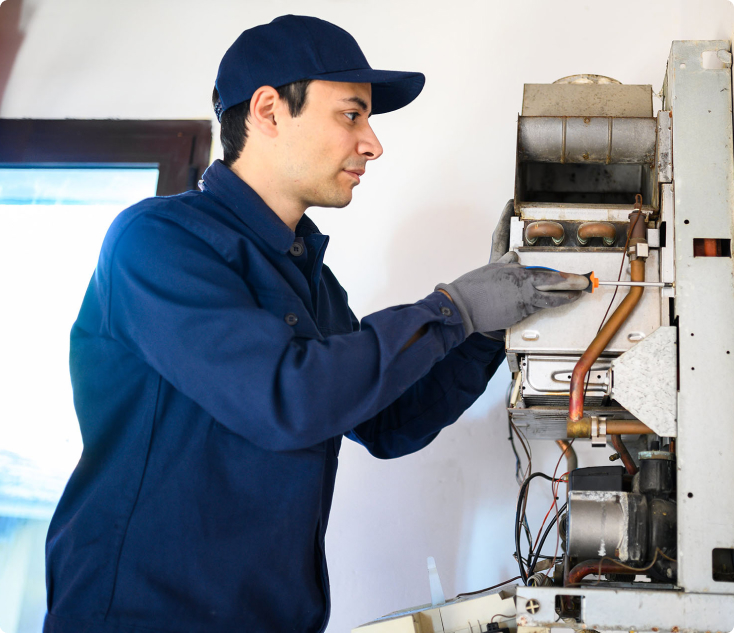
Types of Hot Water System Power/Fuel Supplies
Below, we detail four primary options: off-peak electricity, continuous power electricity, natural gas, and LPG.
Off-Peak Electric Water Heater
Off-peak electricity is a cost-effective option for electric hot water systems, particularly in regions like Australia, where utility companies offer lower rates during specific times of day. This type of electricity can be used with storage tanks that heat the water during off-peak hours and keep it ready for use. Electric hot water heaters using off-peak rates are typically more affordable, but it's crucial to ensure the tank size is adequate for your household's needs to avoid running out of hot water during peak usage times.
Continuous Power Electric Water Heater
Continuous power electricity systems are designed for electric hot water heaters that can supply an endless flow of hot water as needed. This method is often called continuous flow or tankless heating, where a water heat pump heats the water instantly upon demand. While the initial installation costs may be higher, these systems are known for their energy efficiency, resulting in lower running costs. However, assessing your household's peak demand is important to ensure the system can heat the water effectively without interruption.
Natural Gas Water Heaters
Natural gas is a preferred fuel source for gas hot water systems and offers rapid heating capabilities. These systems, such as Rheem hot water and Rinnai hot water, provide efficient solutions for households requiring large amounts of hot water. Gas hot water heaters offer fast recovery rates, meaning they can heat the water quickly, making them ideal for busy families. Wit regards to running costs, natural gas is often a more economical option than electricity, especially for homes with high demand for hot water. Ensuring proper installation and ventilation is essential to guarantee safety and efficiency.
LPG (Liquefied Petroleum Gas) Water Heater
LPG is a versatile fuel option for households that may not have access to natural gas. LPG hot water heaters can deliver high performance and are available in storage tank and instantaneous systems. Like natural gas options, they provide prompt heating for your hot water needs. Installation considerations include ensuring adequate storage for the LPG and implementing safety measures for gas use. LPG systems can also be cost-effective and are particularly beneficial in rural or remote areas of Australia.
In summary, choosing the right power or fuel supply for your new hot water system requires careful consideration of your needs, including efficiency, running costs, and available resources. By understanding the differences between off-peak electricity, continuous power electricity, natural gas, and LPG, you can make an wise decision that guarantees optimal hot water heat for your household.
Size and Type of Hot Water Systems
Understanding the specific types available and their characteristics is essential for meeting your household needs when selecting a hot water system. Here's a detailed exploration of various systems: electric storage tanks, continuous power electricity, gas storage, instantaneous electric, gas continuous flow, heat pumps, and solar systems.
Electric Storage Tanks
Electric storage tanks are common in many homes and are designed to heat and store water for later use. These water heaters operate by heating water in a tank and keeping it hot until needed. Commonly used in areas where electricity is the primary energy source, these systems are relatively easy to install and maintain. However, energy efficiency can be a concern, especially if the tank is not insulated well. For optimal operation and to ensure reliability, it's advisable to consult a qualified plumber for installation and maintenance.
Continuous Power Electric Water Heater
Continuous power electricity systems, also known as tankless water heaters, offer an innovative approach to water heating. They heat water on demand, ridding away the need for a storage tank. This design provides a continuous flow of hot water, making it sensible for larger families or homes with high hot water usage. Although installation costs can be higher than traditional storage tanks, these systems are typically more energy-efficient, as they only heat water when necessary. Employing a professional plumber for installation can ensure the system is correctly sized to meet household demands.
Gas Storage Hot Water Systems
Gas storage water heaters are another popular option, known for their rapid heating capabilities. Utilizing natural gas or LPG, these systems can quickly heat a large volume of water stored in a tank. They are often more cost-effective in terms of running costs than electric models, especially for those with high hot water demands. Choosing a reliable plumber for installation and routine maintenance is essential to guarantee system efficiency and safety.
Instantaneous Electric Water Heater
Instantaneous electric water heaters are similar to continuous flow systems, offering hot water on demand without requiring a storage tank. These energy-efficient systems heat water as it passes through the unit, providing a constant supply whenever needed. They are particularly beneficial in smaller households or locations with limited space. Ensuring proper plumbing installation by a licensed plumber can boost the performance and longevity of these units.
Gas Continuous Flow Hot Water Systems
Gas continuous flow systems function like their electric counterparts by heating water as needed, removing the need for storage. These units tend to have a higher flow rate and provide hot water more efficiently than gas storage systems. They are particularly advantageous for larger households with significant hot water requirements. Optimal installation by professionals is crucial to harness their full energy-efficient potential.
Heat Pumps
Heat pumps represent a highly energy-efficient approach to water heating. They transfer heat from the air or ground to heat water. So there is no generating heat directly. These systems can significantly lower energy costs, making them a more sustainable choice. But then again, the initial investment can be higher than that of conventional systems, requiring adequate installation space. Consulting with a professional plumbing expert can assist in selecting the right model based on specific needs and local climate conditions.
Solar Water Heaters
Solar hot water systems rely on solar panels to obtain energy from the sun to heat water, which is why they are an environmentally friendly and energy-efficient option. These systems are usually comprised of solar collectors, a storage tank, and a plumbing connection. While the upfront costs can be substantial, government incentives and savings on energy bills can offset this over time. For optimal performance and efficiency, it's crucial to have these systems installed by licensed plumbers familiar with solar technology.
The Water Heating Process Explained
At our company, we are dedicated to providing the best hot water services. We understand that the heating process is fundamental to delivering comfort and efficiency in your home. Water heating can be accomplished through various systems, each designed with specific technologies to suit different household needs.
For traditional storage water heaters, water is heated in a tank. This stored hot water is readily available immediately, ensuring you never run out during peak demand. However, energy efficiency can be a concern if the tank is not well-insulated. Many modern brands now offer Energy Star-rated models that ensure maximum efficiency, saving you money on utility bills in the long run.
In contrast, tankless water heaters, also known as instantaneous water heaters, supply hot water on demand. This equipment will heat water directly as it flows through the unit, getting rid of the need for storage tanks. This method saves space and reduces energy consumption since water is only heated when needed. For those looking for sustainable solutions, solar hot water systems harness energy from the sun, significantly lowering energy costs while also decreasing your carbon footprint.
Heat pumps are another innovative option, utilizing energy from the air or ground to heat the water efficiently. They are particularly advantageous for their low energy usage and are a great alternative to traditional electric water heaters. Investing in heat pump water heaters ensures you have a reliable hot water supply and aligns with energy-saving principles.
With all these options available, our professional team is here to guide you through the selection process, seeing to it that you find the ideal system that meets your efficiency, performance, and budget needs. We only partner with top brands, providing reliable solutions that stand the test of time. Understanding how each system works enables you to make informed decisions that contribute to a more comfortable and eco-friendly home.


Hot Water System Components Breakdown
A comprehensive understanding of the components of a hot water system is critical for optimal performance and efficiency. At the heart of any water heating system is the hot water heater, which plays a vital role in heating water for residential use. Typically, these heater systems come in various designs, including storage tanks, instantaneous units, or solar-powered systems, each tailored to meet specific household demands.
Heating Element
The heating element is fundamental to the operation of a hot water heater. This component typically consists of one or two electric coils that heat the water directly in electric systems. A burner is used for gas units to heat the water within the tank or as it flows through the system. Efficient heating of water is essential to ensure a reliable hot water supply, reducing the wait time during peak usage.
Storage Tank
In traditional hot water systems, the storage tank holds a certain amount of heated water, ready for use whenever required. The tank’s size will have an impact the system's ability to supply hot water effectively; hence, selecting the right tank size means everyting for adequately meeting a household's hot water needs. Well-insulated tanks help minimize heat loss and enhance the overall efficiency of the heating systems.
Thermostat
The thermostat regulates the temperature of the water within the heater. By setting a specific temperature, it can ensure safety and comfort. If the water temperature exceeds the set level, the thermostat is meant to trigger the heating element to turn off, preventing overheating and potential hazards.
Pipes and Plumbing Connections
The plumbing infrastructure connects the hot water heater to faucets and appliances throughout the home. Properly installed pipes facilitate the efficient supply of hot water, minimizing heat loss during transit. Insulating these pipes can further enhance efficiency, ensuring that water reaches its destination at the desired temperature.
Pressure Relief Valve
Safety is paramount in any hot water system, and the pressure relief valve is a critical component in achieving this. This valve acts as a safeguard, releasing excess pressure that builds up within the tank, thereby preventing potential hazards such as tank ruptures or explosions.
Expansion Tank
In systems with closed loops, an expansion tank may be installed to accommodate the expansion of water as it heats up. This additional component helps prevent excessive pressure buildup and maintains the overall efficiency of the hot water service.
Hot Water Control System
Modern hot water systems often come equipped with modern and sophisticated control systems that allow for easy monitoring and adjustment of water temperature and energy consumption. These smart technologies can enhance user convenience and improve the heating system’s efficiency.
Hot Water Systems Energy Efficiency and Running Costs
When picking a hot water system, energy efficiency is a primary factor that affects both environmental impact and running costs. In Australia, several options are available, including electric hot water, gas hot water, and heat pump hot water systems. Each type of heater has distinct energy use patterns that determine the overall efficiency. Electric heaters, for instance, have higher operational costs compared to gas hot water systems, as natural gas typically presents a more economical choice in regions where it is readily available.
Continuous flow systems, such as those from Rinnai hot water and Rheem hot water, provide hot water on demand without needing storage, reducing energy wastage associated with keeping water heated in a tank. However, the installation costs for these units can be higher. Conversely, while water heat pump systems offer a lower running cost by efficiently using ambient air or ground heat to heat the water, the initial investment may also be significant.
Running costs vary by the type of system installed and are influenced by the household's hot water usage patterns. Homes with larger demands for hot water will benefit more from systems that efficiently cater to their needs, helping to cut down on unnecessary expenses associated with heating water. For example, families that require large volumes of hot water might find hot water electric systems less feasible, leading them to consider hot water gas or pump hot water solutions for better performance at reduced costs.
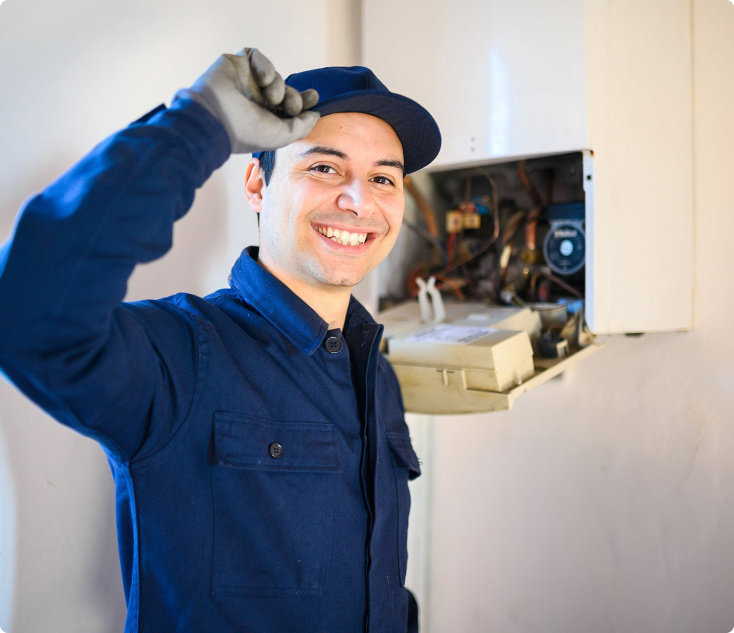
Considerations When Installing Hot Water Systems
Several key factors ought to be considered when installing a hot water system to ensure efficiency and compliance with local regulations.
1. Location
The placement of the hot water system can significantly influence its performance. Ideally, the unit should be installed close to the use points to minimize heat loss during water transit. Adequate space for maintenance access is also essential, as it facilitates easy repairs and servicing.
2. Local Regulations and Codes
Before installation, it's crucial to know any local plumbing, electrical, or gas codes that may apply. These regulations can dictate specific installation practices, safety measures, and permits required for compliance, influencing the project timeline and cost.
3. Type of System
The choice between different types of hot water systems (such as gas, electric, or solar) also affects installation. For instance, gas systems require adequate venting and possibly a gas line installation, while electric systems need appropriate electrical supply considerations.
4. Existing Infrastructure
The condition and layout of existing plumbing and electrical infrastructure can ultimately impact installation costs and complexity. Promptly assessing whether current pipes require replacement or modification will help in budgeting accurately for the installation project.
5. Energy Efficiency Ratings
Many homeowners now prioritize energy-efficient systems. Opting for an equipment with a higher energy efficiency rating may save money over time, but it could also entail more complex installation processes to ensure optimal integration into the existing system.
Maintenance Tips to Extend Your Hot Water System's Lifespan
Maintaining a hot water system ensures its longevity and consistent performance. Here are four key tips to help extend the life of your hot water heater:
Regular Flushing: Sediment buildup will significantly affect the efficiency of your hot water heater. To prevent this, it's advisable to flush the tank at least once a year. This process removes sediment and debris that can effectively hinder the heating system's hot water supply.
Inspect the Anode Rod: The anode rod, composed of magnesium or aluminium, helps prevent tank corrosion. Regularly inspecting and replacing the anode rod every few years can help protect the integrity of the water heating system, ensuring that your hot water service remains functional for a longer period.
Check Temperature Settings: Ensuring the thermostat is set to the appropriate temperature—usually around 120°F (49°C)—ensures safety and enhances energy efficiency. By maintaining an optimal temperature, the heater systems use less energy while effectively heating water, extending their lifespan.
Professional Maintenance: Scheduling routine maintenance checks with a pro will help identify potential issues before they become significant problems. Regular inspections of the heating systems can ensure that all components, including pipes and valves, are in good working condition, ensuring an efficient hot water supply for your home.
Our Hot Water Systems and Installation Services
We have in store a range of hot water systems designed for different needs and budgets, guaranteeing that our customers receive quality products and reliable service. Below is a list of the hot water systems we supply and install and their estimated costs.
Electric Hot Water Systems
Description: Ideal for areas with limited gas availability, these systems provide consistent hot water.
Brands: Stiebel Eltron, Dux
Cost: $800 - $2,500 (including installation)
Gas Hot Water Systems
Description: Gas systems are more economical to run and can be either continuous flow or storage type.
Brands: Rinnai, Rheem
Cost: $1,200 - $3,000 (including installation)
Solar Hot Water Systems
Description: Utilises solar energy, significantly reducing running costs while being environmentally friendly.
Brands: Apricus, Solahart
Cost: $3,000 - $7,000 (including installation)
Heat Pump Hot Water Systems
Description: Highly efficient systems that extract heat from the air or ground to heat water.
Brands: Bosch, Rheem
Cost: $2,500 - $5,000 (including installation)
Continuous Flow Hot Water Systems
Description: Provides hot water on demand, reducing energy wastage associated with storage systems.
Brands: Rinnai Infinity, Bosch
Cost: $1,000 - $3,500 (including installation)
Don’t forget to contact us for a detailed consultation and quote for a tailored solution that best fits your household requirements.
Need A Plumber You Can Rely On?
Call Distinct Plumbing friendly team today. Let us provide you with the best combination of localised Adelaide plumbing services and hot water system with great value and economical yet fast hot water repair from our rheem hot water unit experts.
We look forward to your call!